




MaFA –Lithuanian grassroots football association, under the umbrella of the Lithuanian football federation following the same principles, aims and vision. MaFA takes care of grassroots level football in the country, including education, participation and social inclusion topics.
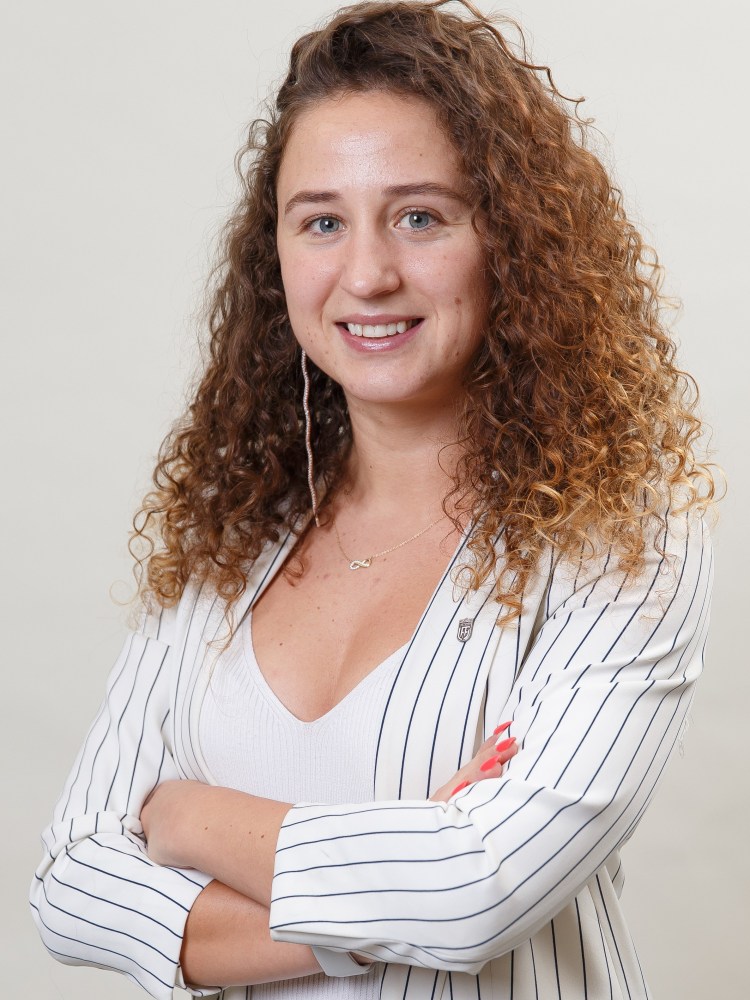
Greta Valikonienė (project leader) – 7 years working experience in Lithuanian football federation structure. Mostly responsible for social responsibility projects and women’s football development. Football is her lifestyle and main passion. She honestly believes that football is a perfect tool to make a world better.
Ignas Marcinkevičius (project manager) – the director of the Lithuanian grassroots football association. Work experience of more than 9 years, and the main responsibilities are strategic planning, various project creation and implementation. Our association invests a lot in financial and human resources to make football accessible to ALL.

Veronica Margherita Cocco (researcher): researcher at the University of Verona (Italy) and a member of the Executive Committee of the Italian Association of Psychology – Section of Social Psychology. Her teaching and research activities primarily revolve around group processes and intergroup relations, with a specific emphasis on promoting social inclusion and equality. She has contributed extensively to this field, publishing numerous scientific articles in international journals. She has participated in multiple national and international projects aimed at promoting social inclusion.

ForModena designs and implements training activities and services with the aim of promoting employment and the growth of professional skills of people, organizations and the Public Administration.
The areas of intervention of ForModena are: welfare policies: training courses for operators of social assistance structures, for people with disabilities, for new vulnerabilities and vulnerable groups on the labor market; initiatives and projects to accompany local welfare planning with particular attention to the professional development of women and the acquisition of STEM and STEAM skills.
training and services for transitions: collaboration with the school system in relation to the pathways for fulfilling the obligation, activation of training courses for training / work connection, management of alternation projects in high school, realization of services for work transitions of adults, occupied and unoccupied; skills for the production chains / districts to develop and consolidate distinctive know-how and competitiveness through training for work and on the job. ForModena provides specialized training expertise, a crucial resource of the project. This expertise encompasses various training formats, including face-to-face, online, and digital methods outlined in the project guidelines. One of the main objectives is to train and empower coaches to become influential educators, given their central role in the project’s communication activities and group initiatives.
Francesca Malagoli (manager): general manager of ForModena, she has a long-standing expertise in developing communications strategies, coupled with EU Projects competence as dissemination and quality monitoring partners. Five years of experience as a project manager in a large refugee camp, expert in monitoring and project governance. She is also a national expert on gender equality, especially in the workplace sector.
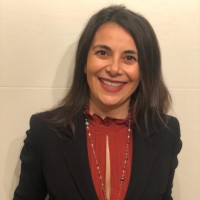
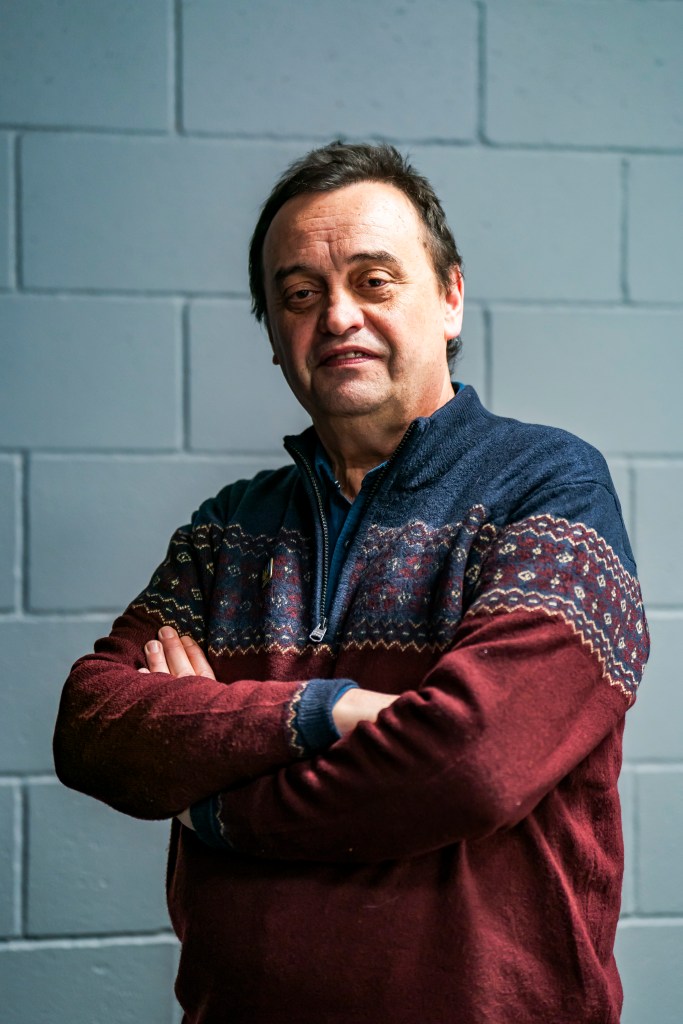
Giovanni Gobbi (project manager): Erasmus+ project coordinator on behalf of UNIMORE. Coordinator of transnational activities in several European Projects (Horizon, Equal, Leonardo, Grundtvig, Erasmus+). Designer for various organizations in Italy (Lombardy, Emilia Romagna, Siciliy, Piedmont, Abruzzo, Veneto, European Union). Lecturer: in several ESF courses in the following subjects: marketing, sales techniques, labor legislation in social enterprises. Speaker at various national and international conferences with issues relating to the social and professional inclusion of disabled people.
Alice Cavazzoli: collaborator of ForModena in the field of design and implementation of European projects.


Athletes Inspire Children is a German-based NGO focused on developing and managing projects related to sport, social inclusion, health among other topics. One of the organisation’s strengths is its multidisciplinary team with a background in professional sport.
The president, Carlos Prieto, was a professional athlete for 20 years at the highest level.
Now, besides working in the NGO, he also works as a PE teacher.
Anne has been working for several years in the sport sector at an international level, where she is responsible for project management, marketing and educational activities.
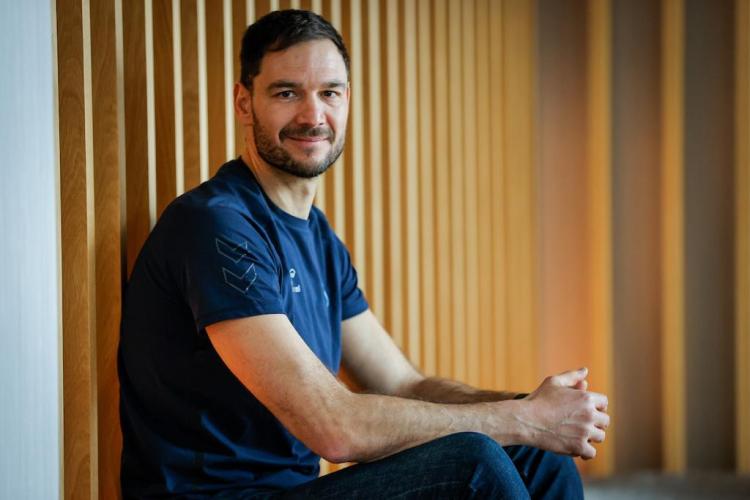
Carlos Prieto (manager/researcher): is a former handball player who has been playing in the best clubs in Europe for 19 years, having the opportunity to share a team with the best players in the world. He also played for the Spanish national team for several years. Always willing to learn and understand social relationships, he participates in leadership and sports conferences, as well as working as a sports consultant. He is a member of the European Handball Federation (EHF) Network of Scientific Specialists. He graduated as a Professor of Physical Education from the UCLM and also graduated in Physical Activity and Sport Sciences from the UCJC. He has other sports and business certificates. After all these years travelling and playing around the world he was able to learn about different cultures and personalities. Now he decided to change the perception of sport, improving the social community and taking advantage of the values of sport to fill the gaps he found during his sports career. He is on a mission: to encourage children to be healthier, physically active, to study and to have a greater social awareness. Besides that, it promotes the educational part of the athletes by helping them in their development and getting them better qualified.
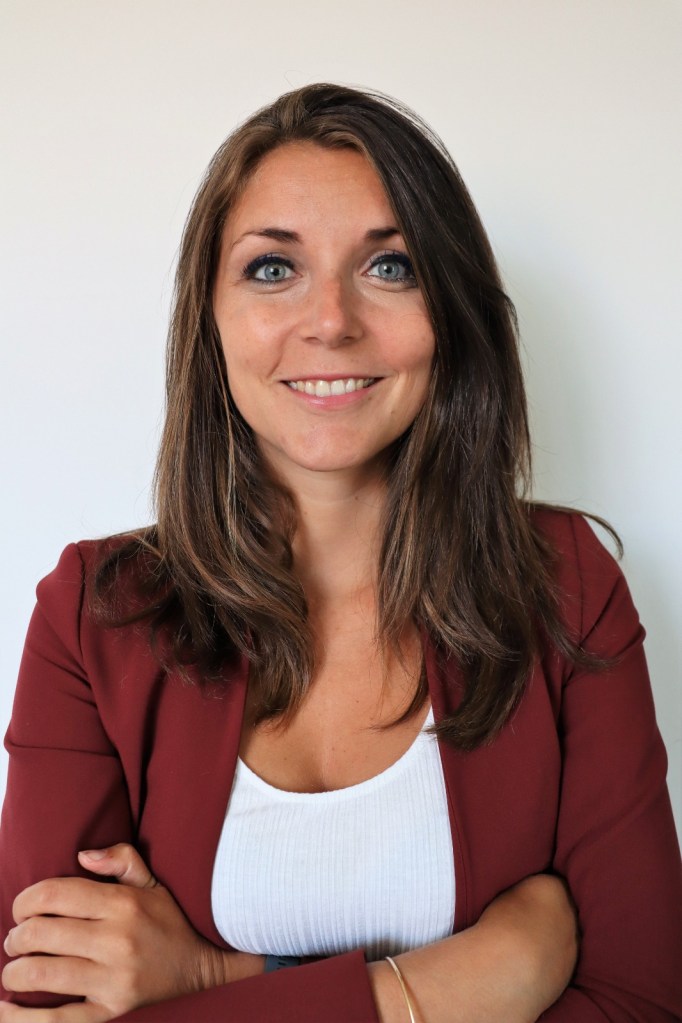
Anne-Laure Michel (manager/researcher): After a year studying in Australia and a master’s degree in Sports Law, Economics and Management, she worked for 5 years as a Competition Manager in the French National Handball League (LNH). She then became Head of communication and development at the Professional handball players’ Association (AJPH) and was involved in the preparation of young generations to the realities of handball player profession as well as the support of players in their dual career programs and transition. Since 2017, she is marketing supervisor for the European Handball Federation on the Champions League matches and is ensuring the proper implementation of marketing, TV/Media specifications, and pre and post match procedures during the EHF Champions League Men & Women matches. Now as a freelance in communication, marketing and projects around sports, she joined AIC as project manager.
She is also the head of delegation of the French U18 women’s team.
The University of Modena and Reggio Emilia (UNIMORE), founded in 1175, is among the oldest universities in the world and has always been ranked among the top Italian universities for quality of teaching and research. UNIMORE is composed of 14 Departments, 16 interdisciplinary research centres, 8 PhD schools, and has almost 1,500 personal and administrative staff as well as more than 25,000 students. It has more than 253 international exchange agreements and invests 1 million € for year in mobility programmes. The UNIMORE group involved in the Project will be CHIMOMO Department. UNIMORE will exploit its wide expertise in ERASMUS+ projects, also in the sport domain, in order to contribute to the achievement of the project’s goals. Unimore offers extensive academic knowledge and practical experience in addressing social injustice and promoting social inclusion, with a focus on gender equality. This expertise extends beyond theory, with years of practical experience in the field of education and active involvement in projects dedicated to the promotion of gender equality and women’s rights.
Loris Vezzali, PhD (manager/researcher): full Professor of Social Psychology at the University of Modena and Reggio Emilia. His main research interests deal with intergroup relations and prevention of intergroup violence. From January 2017 to December 2019 he has been National Coordinator of the Section of Social Psychology of the Italian Association of Psychology (after being Treasurer for the section from 2014 to 2016). He is currently Dean of the Degree Course in at the University of Modena and Reggio Emilia. He is Editor in Chief of the Journal of Community and Applied Social Psychology, and Associate Editor of Group Processes and Intergroup Relations. He has published on some of the most prestigious international journals in social psychology, mainly on the topics on how to promote social inclusion.
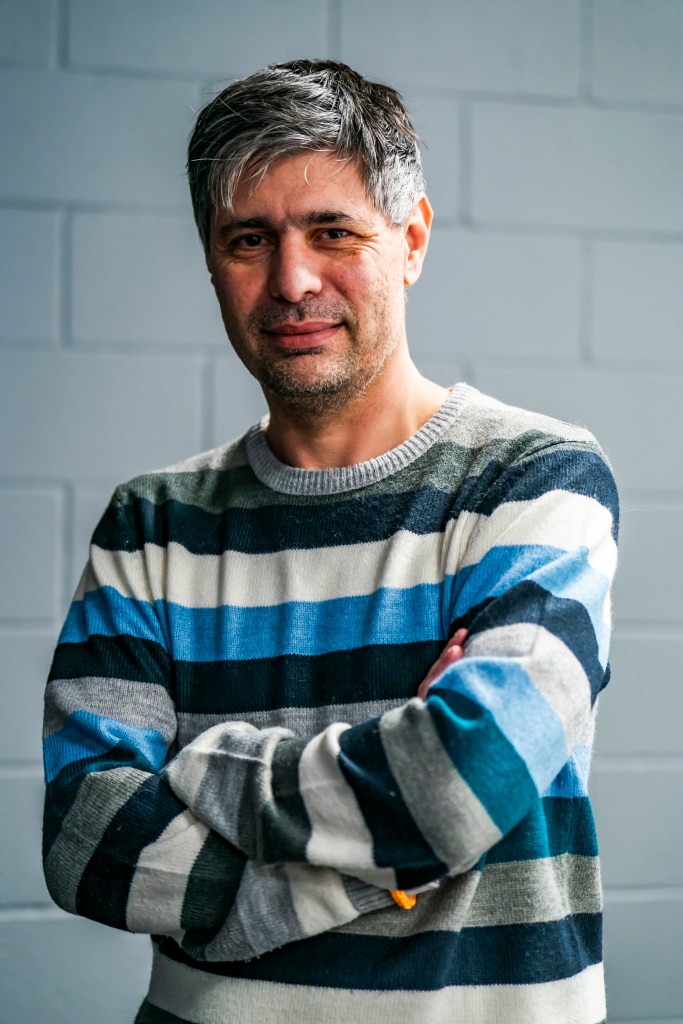
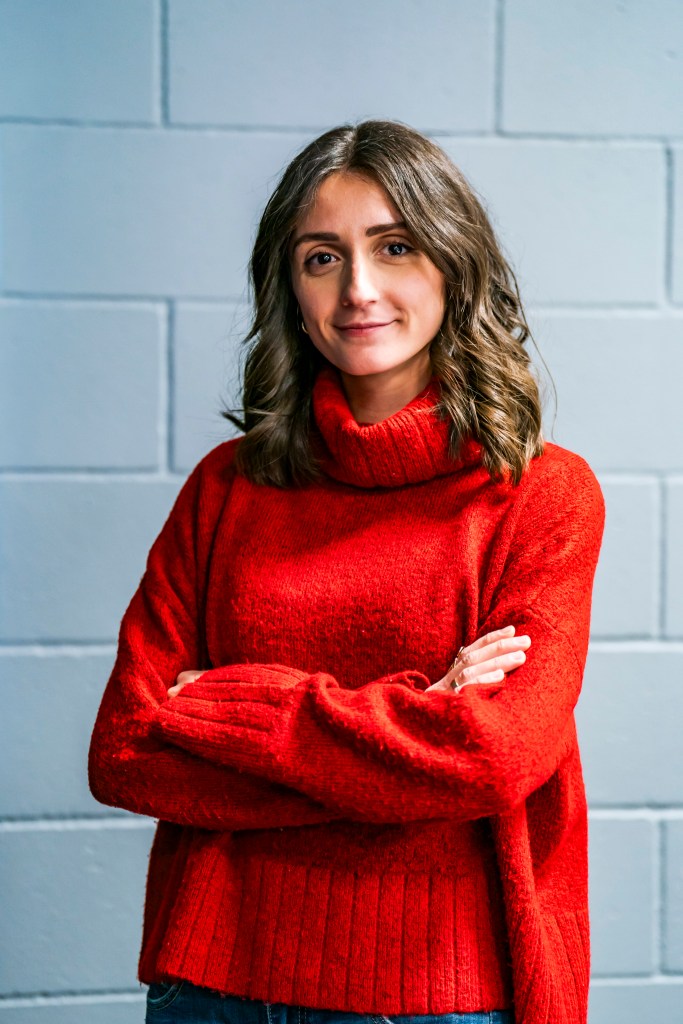
Alice Lucarini (researcher): she obtained her PhD in Psychological Sciences at the University of Padova (Italy) in 2023. Currently, she works as a postdoctoral researcher at the University of Modena and Reggio Emilia (Italy), where she is involved in several projects aimed at promoting social inclusion, in collaboration with various stakeholders, both at the national and at the international level. Her main research interests lie in the area of Social Psychology, spanning from intergroup contact to prosocial emotions and gender equality. She was a visiting researcher at the New York University (USA) in 2018 and at the Northeastern University (USA) in 2022. Her works have been published in various international journals.
Elisa Bisagno PhD (manager/researcher): she is a developmental and sport psychologist. She got her PhD in Social Sciences in 2019 with an interdisciplinary thesis in developmental and sport psychology and completed a postgraduate course in Sport Psychology in 2020. She is currently an Assistant professor at the University of Modena and Reggio Emilia. Her expertise deals with cognitive development, especially concerning working memory and executive functioning, motor learning and the relationship between sports participation and cognitive, affective and moral development. From 2019 on, she has been involved in numerous research projects and European projects aimed at fostering social inclusion through sport.
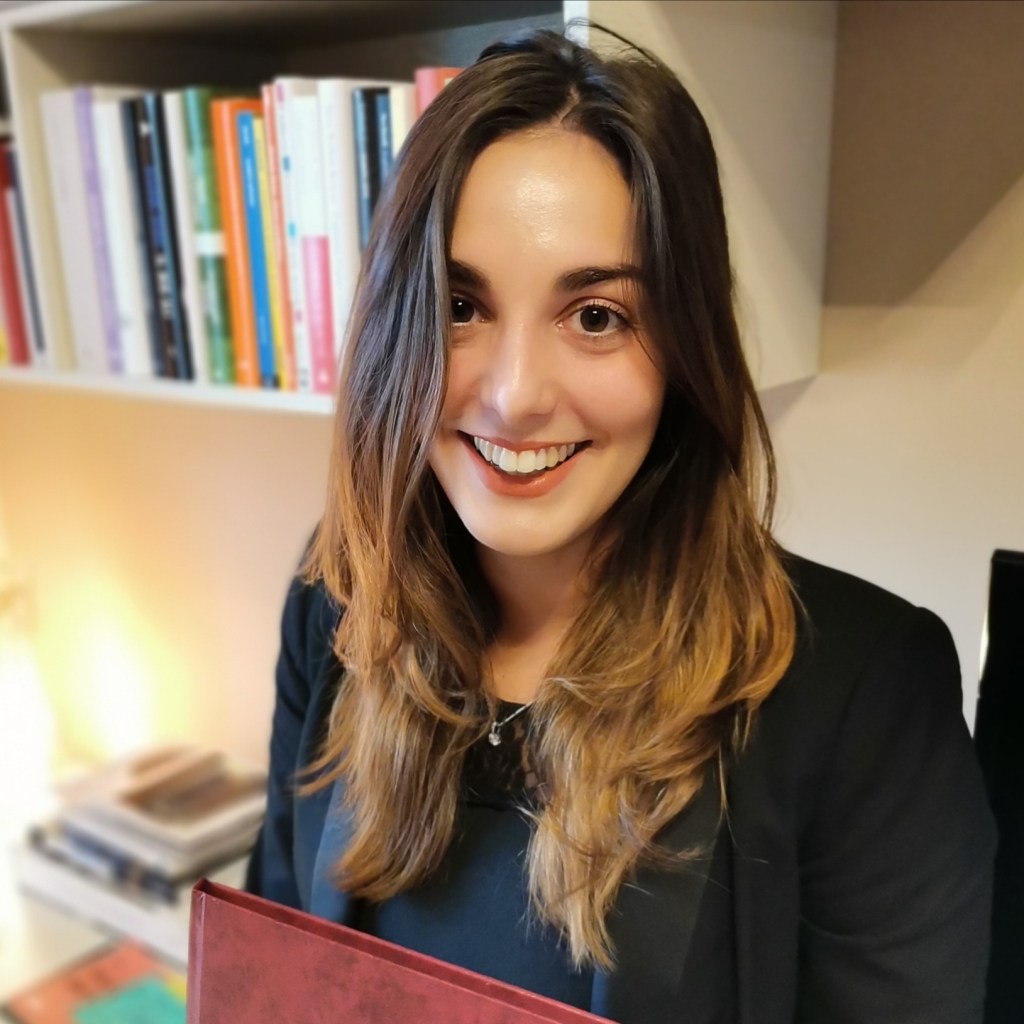
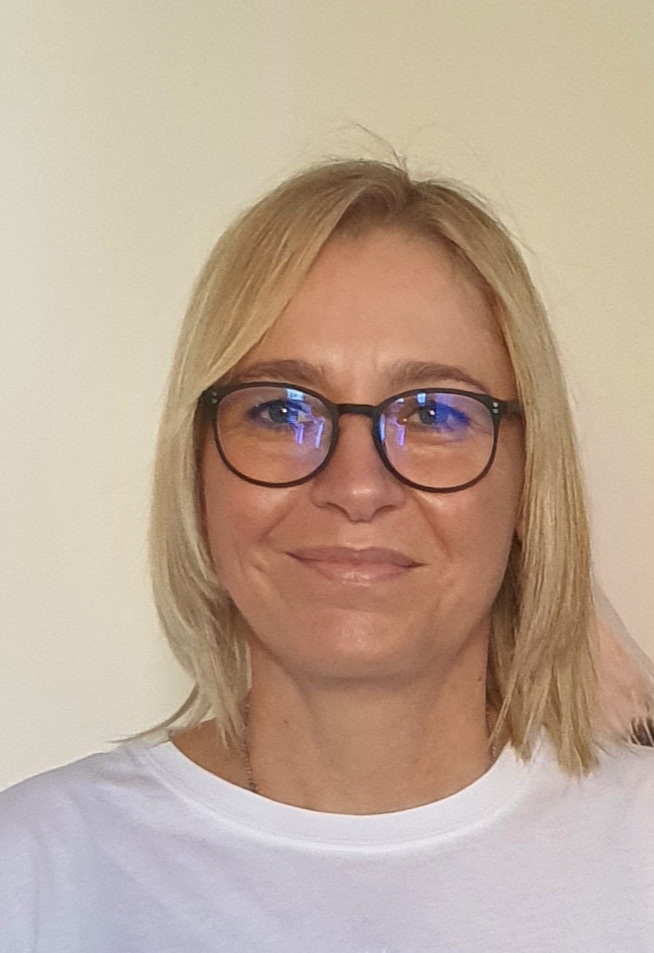
Alessia Cadamuro, PhD (manager/researcher): associate Professor of Developmental Psychology at the University of Modena and Reggio Emilia. In August 2007 she obtained a doctorate in General and Experimental Psychology at the Alma Mater Studiorum (Department of Psychology), University of Bologna, presenting a doctoral thesis on the relationship between cognitive performance and body posture. Her research focuses mainly on the study of developmental and educational psychology, on learning theories. In particular, she is interested in the theory of mind, metacognition, cognitive and learning styles and relationships between children and teachers.
Annamaria De Santis (Ph.D in Education): she is a researcher at the University of Modena and Reggio Emilia (Italy), where she teaches Data Analysis in Education and Instructional Design in Digital Contexts in the degree course in Digital Education.
Her research interests focus, in particular, on e-Learning, online course design, and applications of quantitative approaches to educational research.

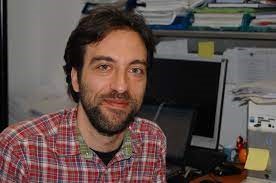
Gian Antonio Di Bernardo, PhD ((role: researcher, technician): he is Assistant Professor of Social Psychology at the University of Modena and Reggio Emilia. He works on the topic prejudice, with a focus on dehumanization, objectification, and implicit prejudice. He also works on social inclusion and on intergroup relations, dopting a social identity approach and investigating major theories, like intergroup contact theory, on which he has published relevant contributions on major social psychological journals.
Sandro Rubichi, PhD (role: researcher, technician): he is Full Professor in General Psychology Policy at the University of Modena and Reggio Emilia. He has been Dean of the Degree Course in at the University of Modena and Reggio Emilia, member of the Commission for the National Scientific Licence (2016-2018), member of he Research Commission of the University of Modena and Reggio Emilia since 2010. His main research interests concern the neuro-cognitive bases of social behaviours along the developmental age and in adulthood, perceptive-motor behavior, decisional processes.
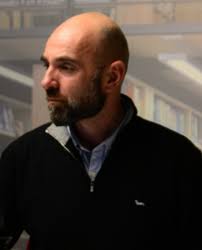
The Romanian Football Federation (FRF) is a non-profit organization established in 1909. The institutional vocation of the FRF is to promote football all over the Romanian territory, to develop the football phenomenon in all its amplitude and to provide an organizational model for Romanian sports. The FRF’s activity is based on a set of principles and values, that define its identity and manner of acting. We enumerate here values such as: love for football, meritocracy, integrity, cooperation and trust, autonomy and subsidiarity, good governance, development and performance, no to violence, no to racism, fair play and perseverance. The Federation finds itself in the process of reforming and rebuilding the sports phenomenon at a national level, thus applying for the first time in Romania strategic management tools, answering the need to plan, step by step, all the necessary steps to fulfil the undertaken mission. FRF is implementing the ”Strategic plan for the development of football in Romania 2015-2020”, a programmatic medium and long-term document, whose objectives are to exponentially expand the number of people involved in football and improve the attractiveness and visibility of the game, while opening new opportunities for players and fans to involve in the phenomenon. Currently FRF is part of the UEFA initiative “Football Federations of the Future” and prepares for the next strategic development cycle, 2021 – 2026.
Florin Sari (manager/researcher): is Social Responsibility & Good Governance manager of the Romanian Football Federation (FRF).
He is the coordinator of the European project “Football for a Better Chance” financed by the European Commission in 2020 and he is involved in the European funded project FIRE – Football including Refugees – which promotes the integrity of refugees in Romania. He was involved in several other initiatives in FAIRER relevant domains.
2015 – 2020 –The RFF Volunteer program, where 1.000 young people were educated in the spirit of the values of football, of diversity, inclusion and combating racism, discrimination, xenophobia and hate speech;
2015 – 2020 -; Partnership with the Foundation Policy Center for Roma and Minorities, to support the Alternative Education Clubs from Ferentari neighborhood.
2015 – 2020 – Participation at the Football People campaign of FARE network, in order to combat racism, discrimination and hate speech; the 2020 ambassador of the campaign is Teo Meluță, member of the national women football team.
2017 – 2020 –Participation of the RFF in the FIFA program called “Football and Friendship”, in order to promote inclusion and diversity.
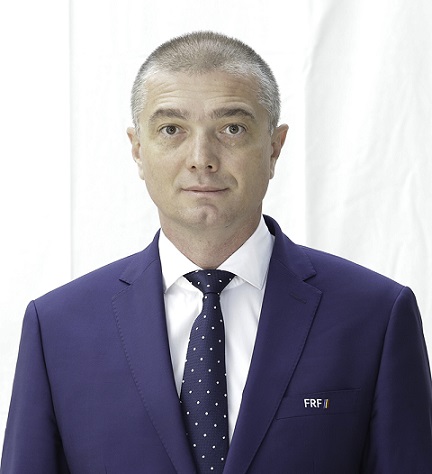
The Malta Football Association (MFA) is a private non-profit organisation of an associative nature and is registered with a local legal body. The principal aim of the MFA is to foster the game of football through the organisation of competitions, coaching, refereeing and also love for the game amongst youngsters. The MFA is currently formed of fifty-three (53) clubs and thirteen (13) Member Associations, which in turn organise football competitions for the clubs and teams affiliated with them or other activities related to their status. The MFA’s Mission is: “To organise, promote and protect the game of football in Malta and Gozo with respect to the laws of the game and without discrimination on grounds of race, colour or creed.” The MFA has wide experience in sports projects, social inclusion project as well as working with students, refugees, vulnerable people, persons with disabilities, and all those who through football can improve their well-being, their quality of life and life-long education. The Association is ultimately an umbrella organisation for football clubs in Malta. The Malta FA participates in a number of social inclusion projects using football related activities to enhance participation and inclusivity at all levels. The key objective is always using football in all activities to compliment the needs of the end user: students, refugees, vulnerable people, persons with disabilities, and all those who through football can improve their well-being, their quality of life and life-long education.
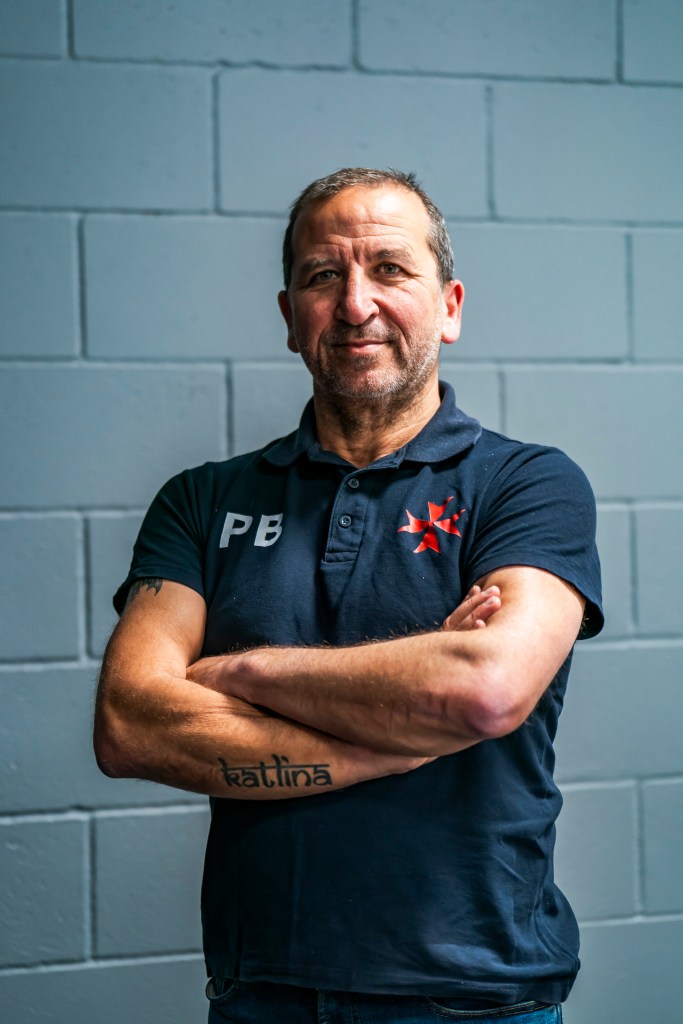
Peter Busuttil (manager/researcher): works on social responsibility projects related to football and is also the main point of reference at the Malta FA for inclusion projects. He is also the project manager for all 3 EU funded projects as from 2018 to the current Play Football, Live Football project. He holds a degree in Education and a professional degree in theatre. He has worked in social inclusion projects as a volunteer.
The UEFA Foundation for Children was officially constituted in January 2015 by the signing of its charter. All of the foundation’s assets are used to support its objective of protecting children, in line with the United Nations Convention on the Rights of the Child.
For many years, UEFA had been working with numerous partners to develop projects and programmes designed to help children living in difficult circumstances in Europe and beyond.
Keen to step up its activities and target them appropriately, UEFA decided to create an independent foundation that uses sport to support humanitarian projects promoting children’s rights in the following areas: Access to sport; Personal development; Healthy lifestyle; Disabled children; Conflict victims; Gender equality; Environmental protection; Employability; Infrastructure and equipment; Strengthening partnerships.
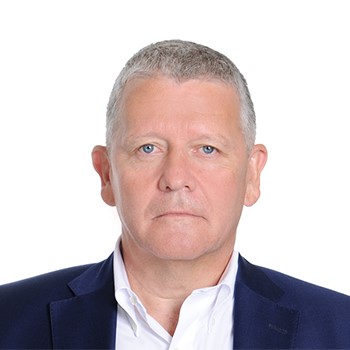
Urs Kluser (manager): is a lawyer by profession, admitted to the bar in Zurich and holds an MBA from the University of Texas at Austin.
Following his law career in Zurich, he worked for five years for the International Committee of the Red Cross (ICRC), conducting long term missions in several war zones as a delegate and head of regional office. During this time he was based in Bosnia, Liberia, Sierra Leone, Congo, Rwanda and Afghanistan. His activities included visiting prisoners of war, setting up emergency relief operations and coordinating Red Cross activities.
After completion of his MBA degree in the USA, he was based from 2002 to 2005 in Ukraine for the Swiss development agency (SDC). The projects he managed included a development investment fund, support to the justice reform and prison reform in Ukraine.
Coming back to Switzerland in 2005 Mr. Kluser became involved in association football in several positions within FIFA and UEFA. First at FIFA he was responsible for the administration of the FIFA Member Associations, and headed then the main FIFA development programs for its members (GOAL, FAP). At UEFA Mr. Kluser was based for two years based in Ukraine as part of the venue management team for the UEFA EURO 2012. He then became the UEFA integrity officer, mainly working in the field of combatting match fixing, operating in cooperation with the national associations of UEFA and the respective national and European police authorities.
Since May 2018 he serves as General Secretary for the UEFA Foundation for Children.

PROJECT SUPPORTED BY UEFA
UEFA contributes institutional support, expertise, and the ability to effectively communicate outcomes with affiliated Football Associations (FAs) and a wider audience through its influential media channels.

Funded by the European Union. Views and opinions expressed are however those of the authors only and do not necessarily reflect those of the European Union or the European Education and Culture Executive Agency (EACEA). Neither the European Union nor EACEA can be held responsible for them.
 EPLAY: Educating Parents, Leaders And Young people